Understanding Fake USD: A Critical Issue in Global Business and Commerce
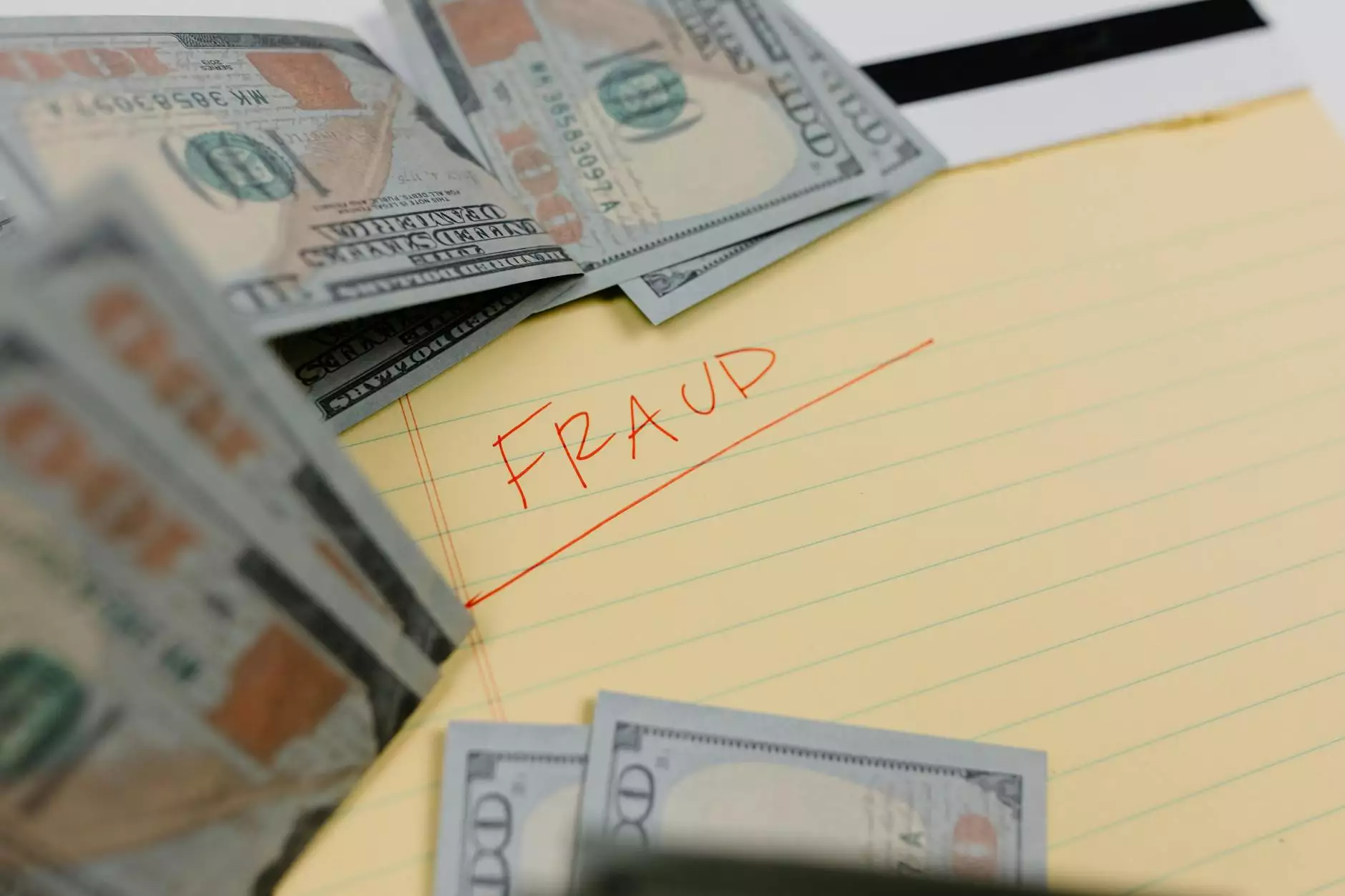
In today’s interconnected global economy, the integrity of currency plays a vital role in maintaining the stability and trust necessary for business transactions. Among the numerous concerns faced by businesses, especially those engaged in international trade, is the pervasive problem of fake USD. This counterfeit currency not only impacts financial transactions but also affects industries such as healthcare, medical supplies, and pharmacy where trust and authenticity are paramount.
What Is Fake USD and Why Is It a Major Concern?
Fake USD refers to counterfeit United States dollar bills that are produced fraudulently to mimic genuine currency. These counterfeit notes are crafted with increasing sophistication, making it difficult for individuals and businesses to distinguish between authentic and fake notes. The proliferation of fake USD poses significant risks such as financial loss, reputational damage, and legal complications.
Understanding the intricacies of fake USD and how to identify it is crucial for businesses—particularly those operating within the Health & Medical and Pharmacy sectors—where transaction integrity is directly linked to patient safety and regulatory compliance.
The Business Impact of Fake USD: A Deep Dive
Fake USD can disrupt business operations in multiple ways. Here are some of the primary impacts:
- Financial Losses: Businesses accepting counterfeit currency face direct monetary loss, especially if they fail to detect fake bills at the point of sale.
- Damaged Reputation: Customer trust diminishes when businesses unknowingly accept fake currency, affecting customer loyalty and brand reputation.
- Legal Consequences: Handling counterfeit currency can lead to legal issues, including fines and criminal charges, especially if the business is complicit or negligent.
- Operational Disruptions: Additional time and resources are required to verify currency authenticity, which can slow down daily operations, especially in high-volume sectors like pharmacies and clinics.
- Supply Chain Risks: The circulation of fake USD affects international supply chains, leading to increased scrutiny, delays, and potential loss of business partnerships.
Specific Challenges of Fake USD in the Health & Medical Industry
The Health & Medical and Pharmacy sectors are particularly vulnerable to fake USD for several reasons:
- High Cash Transactions: Many pharmacies and medical facilities operate with a significant amount of cash, increasing exposure to counterfeit currency.
- Urgency of Transactions: The urgency in medical settings can lead to less scrutiny when handling money, inadvertently accepting fake bills.
- Patient Safety and Trust: Accepting counterfeit currency can undermine trust if customers or patients discover the illegitimate money, leading to reputational damage.
- Regulatory Compliance: Healthcare providers are bound by strict regulations that mandate accurate billing and payments, making detection of fake USD essential for compliance.
Consequently, businesses must deploy advanced security measures to prevent the circulation of fake USD within their operations.
How to Detect Fake USD: Strategies and Technologies
Distinguishing fake USD from genuine bills requires a combination of manual techniques and technological solutions. Here are some effective methods:
Manual Detection Techniques
- Feel the Paper: Genuine USD has a distinct texture due to the cotton and linen fibers. Fake bills often feel smoother or different.
- Check the Watermark: Hold the bill up to the light to see the watermark, which should be an image matching the portrait on the bill and visible from both sides.
- Examine the Security Thread: A thin strip embedded in the paper that glows under UV light; it’s visible when held up to the light.
- Look for Color-Shifting Ink: The numeral in the lower right corner on the front of the bill shifts color when tilted.
- Inspect Microprinting: Tiny, detailed printing around portrait and security features that are difficult to reproduce with standard printers.
Advanced Technological Solutions
- UV Detectors: Devices that illuminate bills with ultraviolet light to reveal security features invisible to the naked eye.
- Magnetic Ink Detectors: Verify the presence of magnetic ink used in genuine bills, detectable with specialized equipment.
- Counterfeit Detection Pens: Pens filled with iodine-based ink that react differently on real versus fake currency.
- Currency Validation Machines: Electronic devices capable of scanning multiple security features simultaneously to authenticate bills quickly and accurately.
- Mobile Apps: Smartphone applications that use the camera to scan and analyze bills for authenticity, increasingly accessible for small businesses.
Preventing Fake USD Circulation in Business Transactions
Prevention is always better than cure. Businesses should adopt comprehensive policies to minimize the risk of accepting fake USD:
- Staff Training: Regularly educate employees about security features and detection techniques.
- Use of Detection Devices: Invest in reliable counterfeit detection tools suitable for your transaction volume.
- Encourage Digital Payments: Promote electronic transactions where possible to reduce cash handling and counterfeit risks.
- Implement Cash Handling Protocols: Establish procedures for verifying large or suspicious bills.
- Maintain Vigilance: Be alert to common signs of counterfeit currency, such as inconsistent printing, unusual textures, or discrepancies in security features.
- Partner with Trusted Suppliers and Financial Institutions: Ensure your banking partners employ robust security measures for currency verification.
By proactively adopting these measures, your business can significantly reduce the threat posed by fake USD.
The Role of Regulatory Agencies and Industry Standards
Regulatory bodies such as the U.S. Secret Service, Federal Reserve, and various international agencies play crucial roles in combating counterfeit currency. They develop and disseminate security features, conduct public awareness campaigns, and collaborate with financial institutions and businesses to curtail the circulation of fake USD.
Industry standards also evolve continually, requiring businesses to stay updated with latest security features and detection technologies. Compliance with these standards ensures not only legal adherence but also enhances overall trustworthiness within your industry sector.
Legal Considerations and Responsibilities of Businesses
Accepting counterfeit currency, knowingly or unknowingly, can lead to legal consequences. It is imperative for businesses to:
- Report Suspect Currency: Notify local law enforcement agencies promptly.
- Maintain Documentation: Keep detailed records of suspicious transactions.
- Train Staff Regularly: Ensure employees are aware of legal obligations and detection techniques.
- Implement Internal Controls: Establish procedures to handle counterfeit detection securely and efficiently.
Understanding these responsibilities helps protect your business from potential fines, penalties, or legal action.
Conclusion: Embracing Awareness and Technology to Combat Fake USD
In a world where currency authenticity is more critical than ever, especially within the Health & Medical and Pharmacy sectors, staying vigilant about fake USD is essential. Combining thorough knowledge of currency security features with advanced detection tools creates a robust defense against counterfeit bills.
Businesses that prioritize training, adopt innovative security measures, and cooperate with regulatory agencies demonstrate a strong commitment to integrity, customer trust, and operational excellence. By doing so, they not only protect their financial interests but also uphold the reputation for safety and reliability in their industry.
For more insights on secure transactions and safeguarding your business against counterfeits, visit ElitBills.com, your trusted partner in currency validation solutions.


