Why is Grain Stored in Silos?
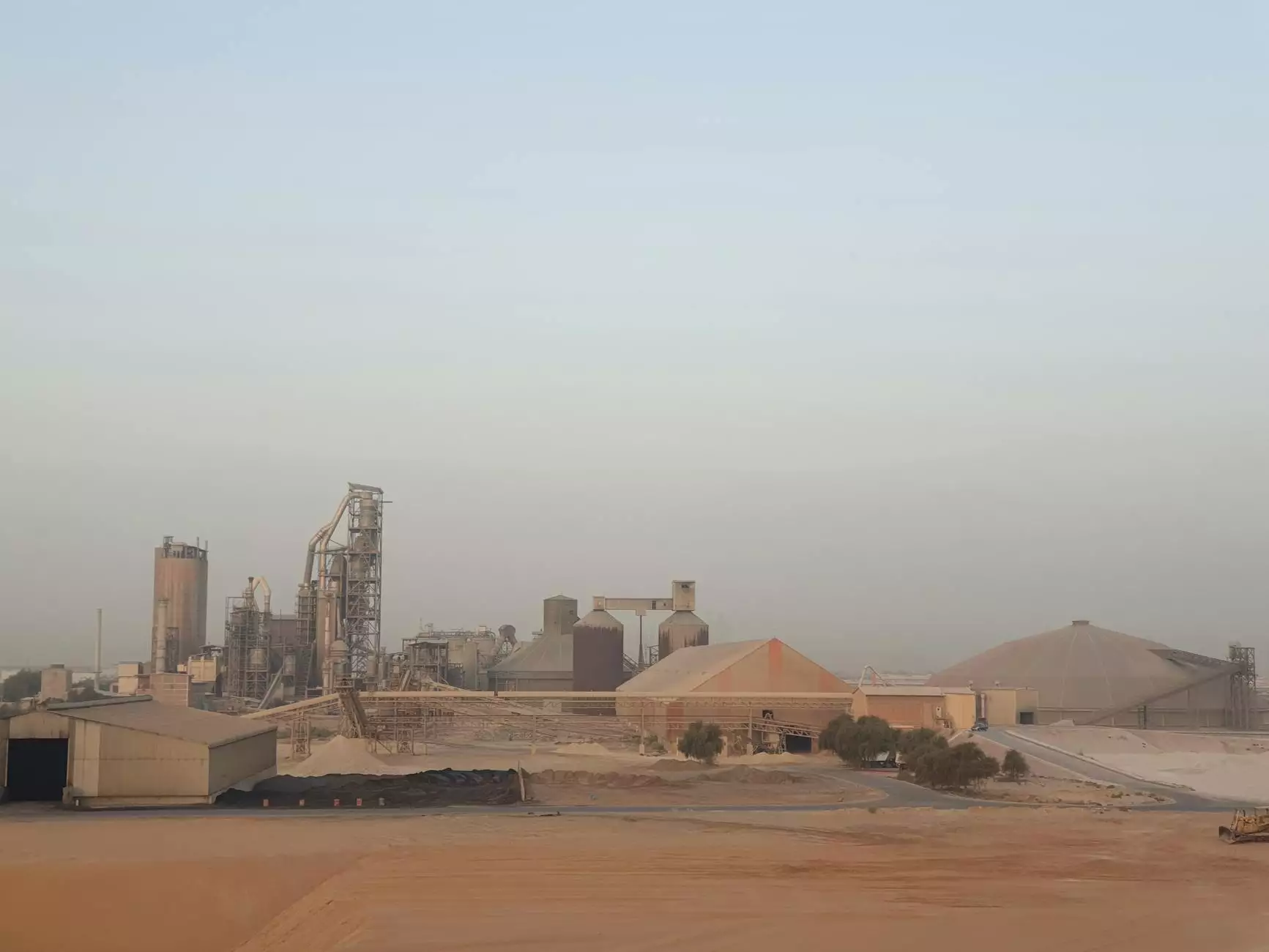
Grain storage is a critical component of the agricultural industry. One of the most prevalent methods of storing grain is in silos. This article will explore why grain is stored in silos, the benefits of using silos for grain storage, the various types of silos available, and best practices for effective grain management.
The Importance of Grain Storage
Grain storage plays a pivotal role in managing agricultural produce. Proper storage is necessary to ensure that harvested crops remain viable for as long as possible. Here are several key reasons why grain storage is essential:
- Preservation of Quality: Storing grain correctly helps maintain its quality and nutritional value.
- Supply Management: Effective storage allows farmers to manage supply levels, ensuring that grain is available when needed.
- Market Timing: Storing grain enables farmers to wait for favorable market conditions before selling their products, potentially increasing profits.
- Protection Against Loss: Proper storage protects grain from pests, weather conditions, and other external factors that could cause spoilage.
Understanding Silos
Silos are specialized structures designed primarily for storing bulk materials, with grain being the most common. They are typically cylindrical and have a variety of sizes and materials, including concrete, metal, and plastic. Silos are renowned for their ability to preserve the quality and safety of stored grains. Let's delve deeper into why grain is stored in silos.
Benefits of Storing Grain in Silos
There are numerous advantages associated with using silos for grain storage. They include:
1. Climate Control
Silos are designed to effectively manage the internal atmosphere, protecting grain from humidity, temperature fluctuations, and moisture. This climate control is crucial in preventing spoilage and maintaining the grain's quality.
2. Pest Prevention
Grain silos are typically sealed and constructed to be pest-resistant, reducing the risks associated with insect infestation and rodent activity that can jeopardize grain quality.
3. Space Efficiency
Compared to bulk storage methods, silos occupy less land area and can be easily integrated into existing farm layouts. This makes them a more efficient option for many farms.
4. Easy Loading and Unloading
Modern silos are equipped with advanced loading and unloading systems, such as augers and conveyor belts, which facilitate quick and efficient handling of grain, reducing labor costs and improving turnaround times.
5. Long-Term Preservation
Grain can be stored for extended periods in silos without significant quality degradation when managed properly. This capability allows farmers to take advantage of long-term storage strategies.
Types of Silos
When it comes to grain storage, various types of silos are available, each suited to specific needs and circumstances. Here’s a look at some common silo types:
1. Concrete Silos
Concrete silos are durable and offer excellent insulation, which helps maintain temperature and minimizes moisture loss. They are well-suited for long-term storage of grains.
2. Steel Silos
Steel silos are popular for their strength and reliability. They are typically easier to construct and can be installed quickly. Steel silos often come with advanced aeration and heating systems to control the internal environment.
3. Wooden Silos
While not as common today, wooden silos were historically used for grain storage. They are less durable than concrete or steel options but can still be effective with proper maintenance.
4. Bunker Silos
Bunker silos consist of a trench or pit lined with concrete. They are typically used for storing large volumes of feed but can also be adapted for grain storage.
Best Practices for Grain Storage in Silos
To maximize the benefits of silos, farmers must employ a range of best practices for grain storage. Here are several critical tips:
1. Regular Monitoring
Regularly monitor the condition of the stored grain. Check for any signs of spoilage, moisture buildup, or pest activity. Early detection can prevent significant losses.
2. Airing Out the Grain
Aeration is vital to maintaining grain quality. Properly ventilating the grain in the silo helps control moisture levels and temperature, reducing the risk of spoilage.
3. Insect Control
Implementing a pest control program is essential for grain storage. Use pesticides judiciously and follow safety regulations to protect both the grain and the health of workers.
4. Pay Attention to the Covering
The silo lid should be securely closed to prevent moisture from entering and to keep pests out. Regularly check seals and gaskets to ensure they are functioning correctly.
5. Maintain Cleanliness
Keep the silo and surrounding areas clean from spilled grain or feed, which can attract pests and create other problems. A clean space helps ensure the integrity of stored grain.
Conclusion
In conclusion, the question "why is grain stored in silos" can be answered through a variety of points including the preservation of quality, climate control, pest prevention, and overall efficiency. Silos represent a vital investment for farmers, helping them store grain securely, and maximizing their profits while ensuring food security. By understanding the advantages of silos and implementing best practices for grain storage, farmers can enhance their operational efficiency and protect their valuable crops effectively.
Whether you are involved in farming equipment repair or managing your grain storage, knowing the significance of silos in the agricultural landscape can lead to improved outcomes for your business. If you want to learn more about effective grain storage and agricultural practices, visit tsgcinc.com for further information.