Understanding Diagnostic Hysteroscopy: A Key Procedure for Women’s Health
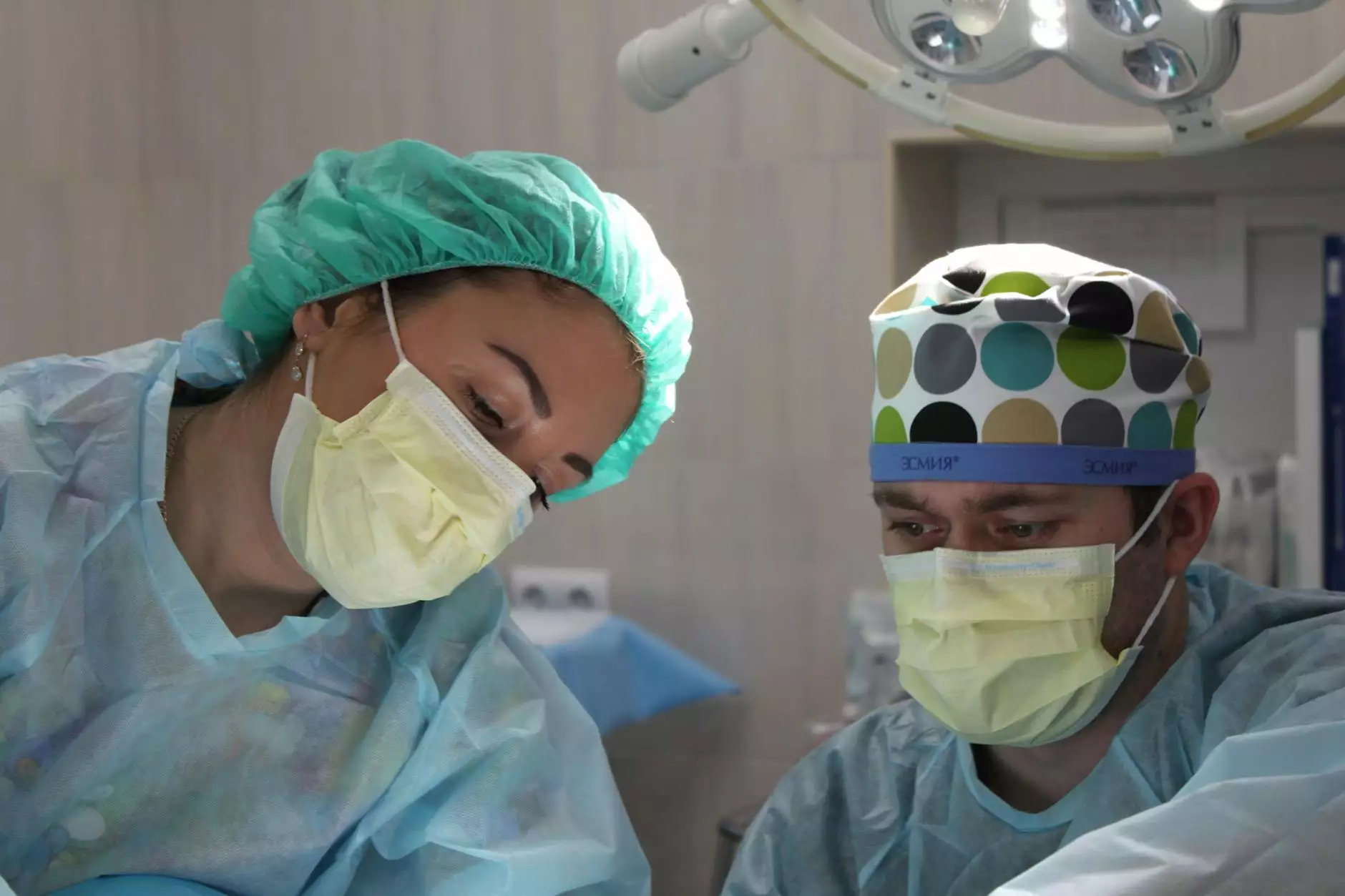
Diagnostic hysteroscopy is a crucial medical procedure that many women may encounter during their reproductive years. It offers detailed insights into the uterine cavity, enabling healthcare providers to diagnose and treat various conditions effectively. In this article, we will delve deep into the intricacies of diagnostic hysteroscopy, covering its purpose, the procedure itself, potential risks, and the overall benefits to women’s health.
What is Diagnostic Hysteroscopy?
Diagnostic hysteroscopy is a minimally invasive procedure that involves the use of a hysteroscope, a thin, lighted tube that is inserted through the cervix into the uterus. This procedure allows doctors to visually examine the inside of the uterine cavity. It's primarily used for diagnostic purposes, providing critical information for various gynecological conditions.
Why is Diagnostic Hysteroscopy Performed?
The need for diagnostic hysteroscopy arises in several scenarios:
- Abnormal Uterine Bleeding: Understanding the reasons behind heavy or irregular menstrual bleeding.
- Uterine Fibroids or Polyps: Identifying and assessing uterine growths that may cause discomfort or complications.
- Infertility Investigations: Evaluating the uterine environment for possible causes of infertility.
- Recurrent Pregnancy Loss: Investigating potential anatomical issues within the uterus.
- Endometrial Health: Assessing the endometrium, particularly in cases of abnormal biopsy results.
The Hysteroscopic Procedure Explained
Understanding the steps involved in a diagnostic hysteroscopy helps demystify the process:
Preparation for the Procedure
Before undergoing a diagnostic hysteroscopy, patients may need to have a pelvic exam and possibly an ultrasound. It’s essential to discuss any medications being taken, as certain blood thinners may need to be paused prior to the procedure. Additionally, the doctor will typically recommend undergoing the procedure at a time when the patient is not menstruating.
The Procedure Itself
Diagnostic hysteroscopy is typically performed in a doctor’s office or an outpatient setting. Here's how the procedure unfolds:
- Anesthesia: Depending on the complexity, the procedure can be done under local or general anesthesia.
- Insertion of the Hysteroscope: The doctor gently inserts the hysteroscope through the cervix into the uterus.
- Inflation of the Uterus: A sterile fluid is introduced into the uterine cavity to expand it, improving visibility.
- Examination: Using a camera attached to the hysteroscope, the doctor examines the walls of the uterus for any abnormalities.
- Additional Interventions: If needed, minor procedures, such as the removal of polyps or biopsies, can be performed during the same visit.
Benefits of Diagnostic Hysteroscopy
Diagnostic hysteroscopy offers numerous advantages over traditional diagnostic methods, making it a preferred choice in gynecological evaluations:
- Precision: Direct visualization of the uterine environment allows for accurate assessments.
- Minimally Invasive: The procedure is less invasive than surgical options, with quicker recovery times.
- Immediate Results: Healthcare providers can often provide immediate feedback and treatment options based on findings.
- Combined Procedures: Many diagnostic and therapeutic procedures can be conducted simultaneously, reducing the need for multiple appointments.
Potential Risks and Considerations
While diagnostic hysteroscopy is generally safe, as with any medical procedure, there are some risks involved:
- Infection: There is a small risk of developing an infection, which can usually be treated with antibiotics.
- Uterine Perforation: In rare cases, the hysteroscope can cause a perforation in the uterine wall, necessitating further intervention.
- Bleeding: Some patients may experience light bleeding following the procedure, though this is usually temporary.
- Anesthesia Risks: As with any procedure involving anesthesia, there are risks associated with its administration.
Recovery After Diagnostic Hysteroscopy
Recovery from diagnostic hysteroscopy is generally quick:
- Same-Day Discharge: Most patients can return home on the same day, often just a few hours after the procedure.
- Rest: While normal activities can typically be resumed within a day or two, doctors may advise avoiding strenuous activities for a short period.
- Monitoring Symptoms: Patients should monitor for any signs of complications, such as heavy bleeding or severe pain, and consult the healthcare provider if necessary.
When to Contact a Healthcare Provider
It is essential for patients to know when to reach out to their healthcare provider after a diagnostic hysteroscopy. They should be alert for:
- Severe pelvic pain: Persistent or worsening pain that doesn't improve with over-the-counter pain medications.
- Fever: A fever over 100.4°F could indicate an infection.
- Heavy bleeding: Soaking through more than one pad an hour for several hours.
- Discharge: Unusual discharge with a foul odor or other concerning changes.
The Role of Dr. Seckin in Hysteroscopy
At Dr. Seckin's clinic, we prioritize women's health and understand the profound impact that conditions affecting the uterus can have on overall well-being. With years of experience, Dr. Seckin combines advanced medical techniques with compassionate care, ensuring that each patient receives personalized attention throughout their diagnostic hysteroscopy journey.
Patient-Centered Care
Dr. Seckin and his team are committed to making the experience as comfortable and informative as possible. From the initial consultation to post-procedure follow-ups, we ensure that patients understand every step of the process and feel supported in their healthcare decisions.
Advanced Technology
Utilizing the latest in hysteroscopic technology, our facilities are equipped to provide the best care, ensuring accuracy in diagnosis and efficacy in treatments. We strive to stay at the forefront of medical advancements to deliver the best outcomes for our patients.
Conclusion
In the realm of women's health, diagnostic hysteroscopy stands out as an invaluable tool for diagnosing and managing various uterine conditions. With the potential to alleviate fears regarding fertility and menstrual issues, this procedure plays a significant role in empowering women to take charge of their reproductive health. Partner with Dr. Seckin for expert guidance and care tailored specifically to your needs.
Don't hesitate to contact us to learn more about diagnostic hysteroscopy and how we can assist you on your journey toward optimal health.