The Ultimate Guide to Firewood: Benefits, Types, and Tips
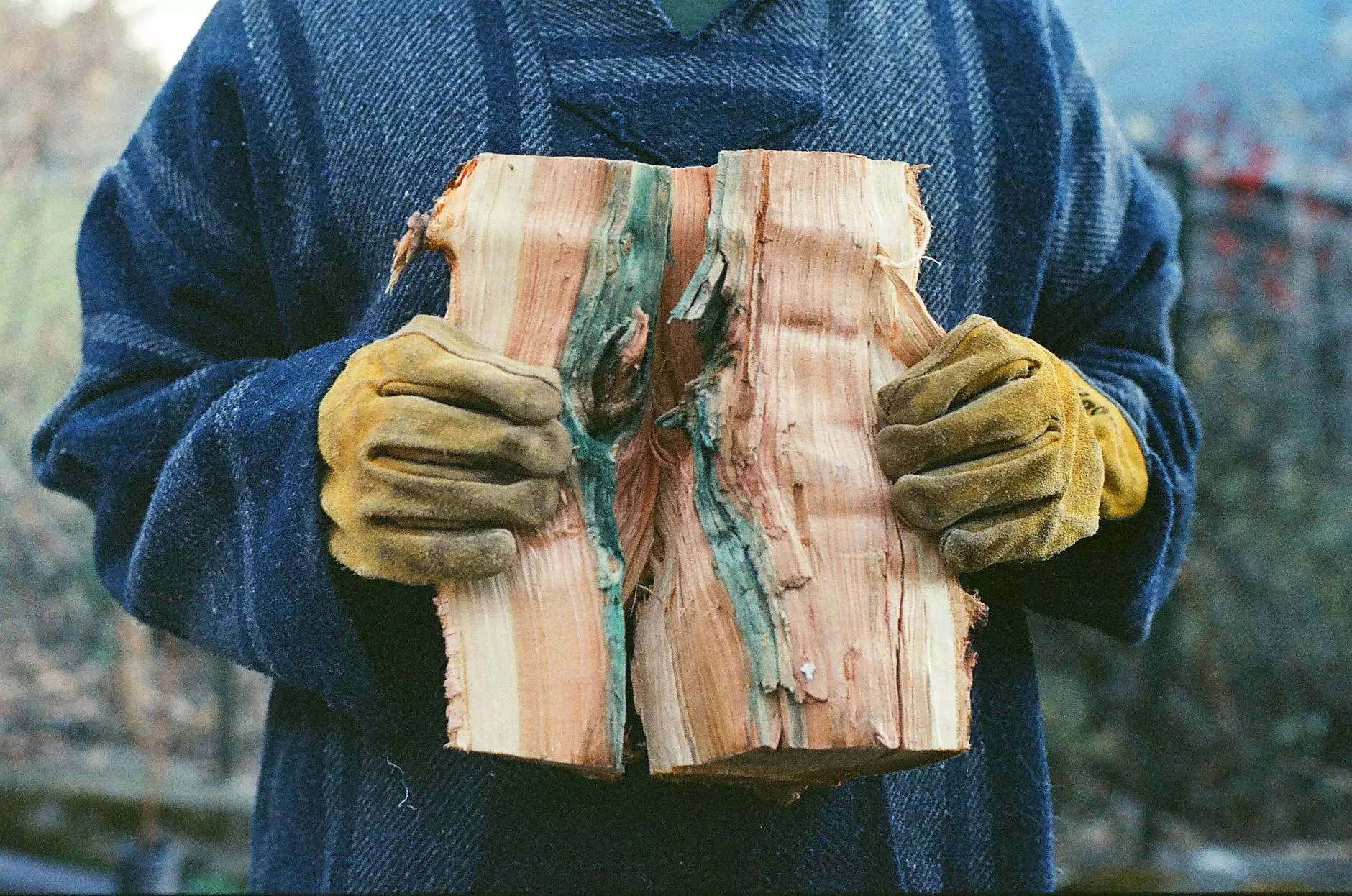
Firewood has been a vital resource for warmth and cooking for centuries. In this comprehensive guide, we will explore the numerous benefits of using firewood, the various types available, and practical tips for selecting and storing firewood effectively. Whether you are a seasoned firewood user or a newcomer, this article will provide you with valuable insights.
Why Choose Firewood?
Firewood is not just a source of heat; it offers several unique advantages:
- Renewable Resource: Wood is a renewable energy source, making it an environmentally friendly choice compared to fossil fuels.
- Cost-Effective: Using firewood can reduce your heating bills, especially in areas where wood is abundant.
- Natural Ambiance: A wood fire provides a warm, inviting atmosphere that enhances the appeal of any home.
- Versatility: Firewood can be used for heating, cooking, and even recreational activities like camping and bonfires.
Types of Firewood
Understanding the different types of firewood is essential for ensuring you make the best choice for your needs. Firewood can be broadly categorized into two types: hardwood and softwood.
Hardwood
Hardwood comes from deciduous trees, which lose their leaves annually. It is known for its high density, which results in a longer burn time and more heat output. Common hardwoods include:
- Oak: Known for its slow burn and high heat output, oak is a popular choice for heating and cooking.
- Maple: Offers a pleasant aroma when burnt and provides good heat, making it ideal for indoor fires.
- Cherry: Burns slowly and evenly, producing a sweet fragrance that enhances the fire experience.
- Hickory: Provides intense heat and a distinct flavor, often used for smoking meats.
Softwood
Softwood is derived from coniferous trees, which typically remain green year-round. Although it burns faster than hardwood, it ignites quickly and is easier to split. Popular softwoods include:
- Pine: Known for its easy ignitibility and aromatic properties, making it great for kindling.
- Fir: Similar to pine, fir ignites quickly and burns hot, perfect for immediate use.
- Cedar: Offers a pleasant scent and produces less smoke, ideal for indoor fireplaces.
- Spruce: Burns quickly and produces a high flame, suitable for campfires.
How to Select the Best Firewood
Choosing the right firewood involves several considerations. Here are key factors to keep in mind:
Moisture Content
Always opt for seasoned firewood with a moisture content below 20%. High moisture levels lead to inefficient burning, producing more smoke and less heat. You can check moisture content using a simple moisture meter.
Source of Firewood
Purchase firewood from reputable suppliers, like wood-trans.com, who ensure their wood is sustainably sourced and properly seasoned.
Volume and Size
When buying firewood, consider the volume. Firewood is typically sold by the cord, which measures 128 cubic feet. Additionally, make sure the logs are of appropriate size for your fireplace or stove. Split logs of around 16 inches are generally standard.
Type of Wood
Consider what you plan to use the firewood for. For a long-lasting heat source, choose hardwoods, while for quick fires or kindling, softwoods may be more suitable.
Storing Firewood Properly
Correct storage of firewood is crucial to maintaining its quality. Here are some tips:
- Keep it Dry: Store firewood in a covered area to protect it from rain and snow.
- Elevate the Wood: Place firewood on pallets or platforms to allow air circulation and prevent moisture buildup.
- Stack it Neatly: Stack logs in a way that promotes airflow. Avoid tightly packed piles.
- Avoid Ground Contact: Keeping logs off the ground prevents pests and decay.
Using Firewood Effectively
To maximize the benefits of firewood, here are some practical tips:
Lighting a Fire
Start your fire with dry kindling and small pieces of wood. Gradually add larger logs as the fire grows. Always keep a safe distance from the flames and ensure adequate ventilation.
Maintaining a Fire
To maintain a constant heat output, regularly add firewood to your flames. Monitor air circulation, as too little airflow can lead to smoky fires.
Cleaning Your Fireplace or Wood Stove
Regular cleaning of your fireplace or wood stove is essential for safety and efficiency. Remove ash buildup and consider having your chimney inspected annually to prevent creosote buildup, which can lead to chimney fires.
Environmental Impact of Using Firewood
While firewood is a renewable resource, it is important to source it sustainably. Consider these eco-friendly practices:
- Harvest Responsibly: Only cut trees that are healthy and allow tree growth to continue.
- Support Local Suppliers: This reduces carbon footprints associated with transportation.
- Utilize Waste Wood: Use scraps or leftover wood from other projects to minimize waste.
Conclusion
Firewood remains a cherished resource for heating, cooking, and creating warm atmospheres in homes. By understanding the different types of firewood, knowing how to select and store it properly, and using it effectively, you can enhance your fire experience while also benefiting the environment.
For more information and high-quality firewood, visit wood-trans.com today!
https://wood-trans.com/