Understanding Flood Remediation: Meaning, Process, and Importance
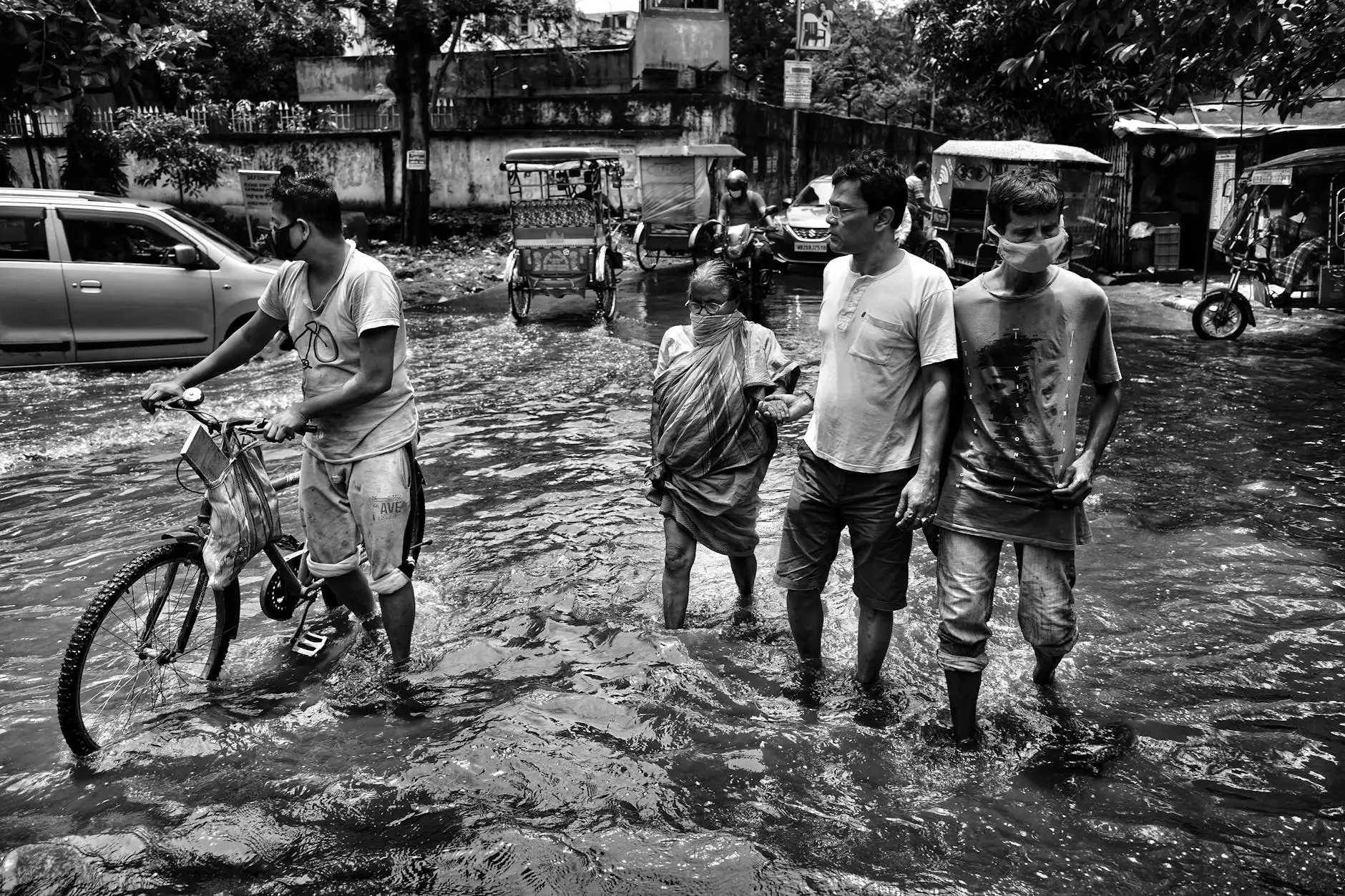
Flood remediation is a term that refers to the processes involved in restoring a property after it has been affected by flooding. It is crucial for homeowners and business owners alike to understand what flood remediation means, the steps involved, and the importance of timely action to mitigate further damage.
What is Flood Remediation?
Flood remediation involves a series of systematic measures aimed at removing water, repairing the damage it caused, and preventing future incidents. The term encompasses various activities, including water extraction, drying, decontamination, and restoration.
Common Causes of Flooding
Flooding can occur due to several reasons:
- Heavy Rainfall: Prolonged or intense rainfall is a common cause of flooding, leading to water accumulation and overflow.
- Snowmelt: Rapid melting of snow can significantly increase water levels in rivers and streams.
- Storm Surges: Coastal areas are often affected by storm surges associated with hurricanes and tropical storms.
- Leaking Pipes: Internal flooding can result from plumbing failures, such as burst pipes or overflowing tubs.
- Drainage Failures: Poor drainage systems can contribute to localized flooding.
The Importance of Flood Remediation
Understanding the concept of flood remediation is vital because proper management of water damage can protect your property and investments. Here are several reasons why flood remediation is crucial:
- Prevents Structural Damage: Water can weaken the foundations and walls of a structure, leading to significant repair costs.
- Avoids Health Hazards: Stagnant water can become a breeding ground for mold and bacteria, posing health risks to occupants.
- Preserves Property Value: Timely remediation helps maintain the property’s value, preventing depreciation due to water damage.
- Ensures Safety: Proper remediation reduces the risk of accidents related to flooding, such as slips and falls.
The Flood Remediation Process
The process of flood remediation involves several critical steps:
1. Assessment and Inspection
The first step in any remediation project is to assess the situation thoroughly. Specialists will inspect the property to determine the extent of the water damage, identify potential risks, and devise a plan tailored to the specific needs of the property.
2. Water Extraction
Once the assessment is complete, the next step is to remove any standing water. This involves using vacuum pumps, industrial dehumidifiers, and extraction equipment to eliminate excess moisture from the premises.
3. Drying and Dehumidification
After water extraction, it is essential to thoroughly dry the affected areas. Specialized fans and dehumidifiers help to remove residual moisture from floors, walls, and other surfaces, preventing the growth of mold and further deterioration.
4. Cleaning and Sanitizing
Flood water can carry contaminants, making cleaning a critical step. This process involves cleaning and sanitizing surfaces to eliminate harmful pathogens, odors, and residues that could pose health risks.
5. Repairs and Restoration
Once the area is dry and clean, necessary repairs can begin. This may involve replacing damaged flooring, drywall, and other structural components. Restoration aims to return the property to its original condition, or better.
6. Final Inspection
After restoration is complete, a final inspection should be conducted to ensure that all issues are addressed, and the property is safe for occupancy.
Signs You Need Flood Remediation Services
Recognizing the signs of water damage is crucial for timely flood remediation. Look out for:
- Water Stains: Discoloration on walls and ceilings often indicates water infiltration.
- Musty Odors: A persistent damp smell can signify mold growth or retained moisture.
- Mold Growth: The appearance of mold or mildew in any part of the property necessitates immediate remediation.
- Peeling Paint or Wallpaper: This can be a visual indicator of underlying moisture issues.
Selecting a Flood Remediation Company
Choosing the right company for flood remediation can make a significant difference in the outcome of your restoration efforts. Here are some tips for selecting a reputable service provider:
- Check Credentials: Ensure the company is licensed, insured, and certified in flood remediation.
- Look for Experience: An established company with a proven track record is more likely to do a thorough job.
- Read Reviews and Testimonials: Positive feedback from previous clients can provide valuable insights into their service quality.
- Assess Their Equipment: Ask about the tools and techniques they use to ensure they employ the latest technology in water removal and restoration.
- Evaluate Their Response Time: A prompt response is crucial in preventing further damage; choose a company that offers 24/7 services.
Cost of Flood Remediation
The cost of flood remediation can vary widely based on several factors, including:
- Extent of Damage: More severe damage requires more extensive work, which can increase costs.
- Location: Service rates can differ based on geographical location and local labor costs.
- Size of the Affected Area: Larger areas will take more time and resources to remediate.
- Time Taken for Remediation: Urgent services may incur additional charges.
Preventing Future Flood Damage
After undergoing flood remediation, it’s crucial to take steps to prevent future flooding:
- Regular Maintenance: Conduct regular inspections and maintenance of your drainage systems and roof.
- Install Sump Pumps: Consider installing sump pumps to help manage water accumulation.
- Waterproofing: Apply waterproofing solutions to basements and other vulnerable areas of your property.
- Landscaping: Proper drainage landscaping can redirect rainwater away from your home.
Conclusion
In essence, understanding flood remediation meaning is instrumental in protecting your property and health. The processes involved in effectively managing water damage require expertise, timely action, and thorough strategies to restore normalcy. By being informed and prepared, property owners can safeguard their investments, ensuring they are ready to face any flooding threats.
If you require professional assistance, consider reaching out to a reliable service such as Vital Restoration, where experts are equipped to handle flood-related emergencies efficiently and effectively.