Sleeve Gastrectomy: Transforming Lives Through Weight Loss Surgery
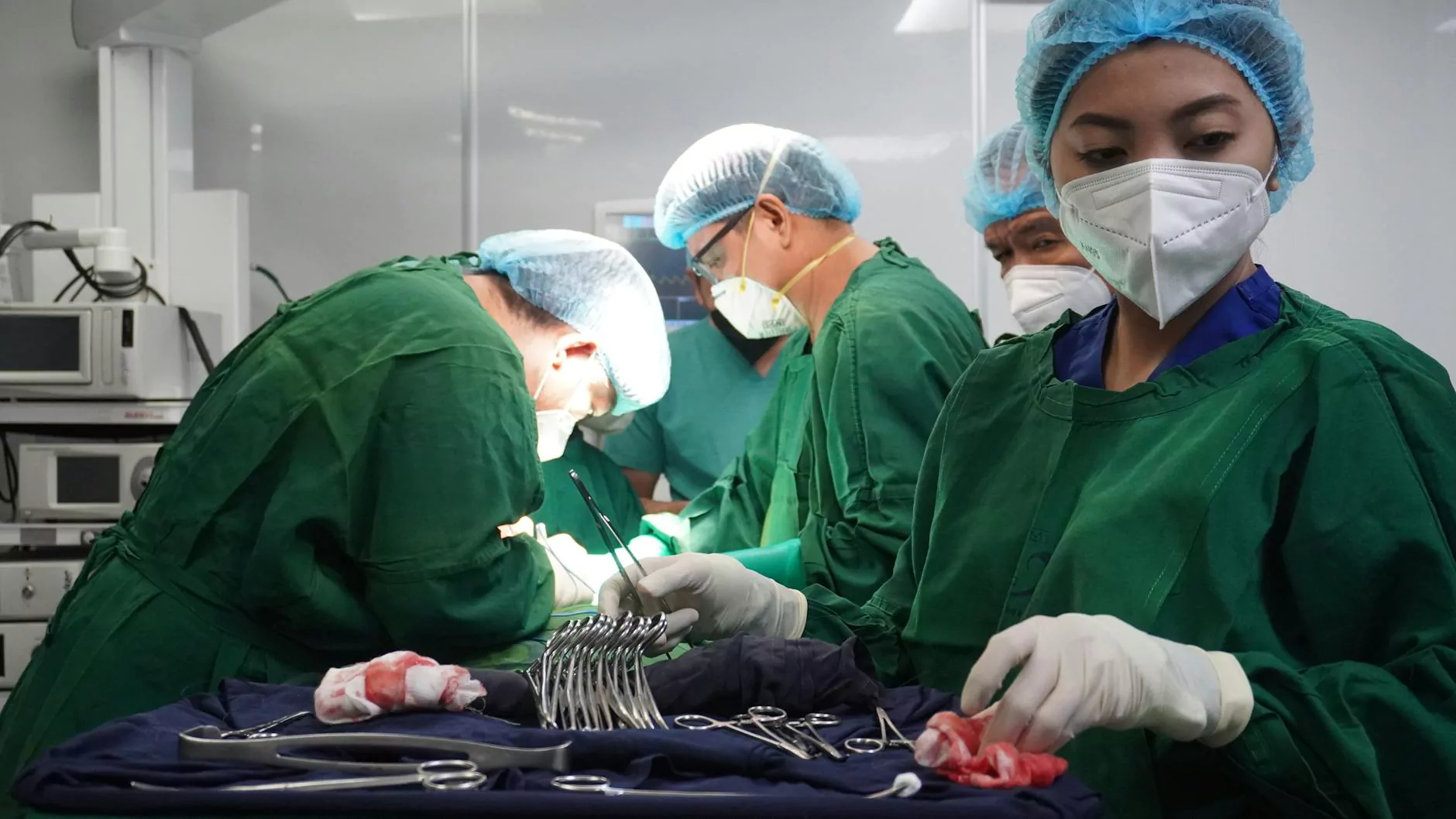
Sleeve gastrectomy is increasingly becoming a popular choice for those struggling with obesity and related health issues. This transformative surgical procedure not only aids in substantial weight loss but also significantly improves an individual’s quality of life. In this article, we delve deep into the benefits, procedure details, potential risks, and aftercare associated with sleeve gastrectomy. By the end of this read, you’ll be well-informed about what to expect and how this remarkable surgery can be a life-changing option for many.
Understanding Sleeve Gastrectomy
Sleeve gastrectomy, also known as gastric sleeve surgery, is a type of bariatric surgery aimed at helping individuals lose weight. The procedure involves removing a significant portion of the stomach, specifically about 80% of it, leaving behind a tube-like structure or "sleeve." This reduction in stomach size limits food intake and triggers hormonal changes that promote weight loss.
Why Choose Sleeve Gastrectomy?
The decision to undergo sleeve gastrectomy is often based on several critical factors:
- Obesity Management: It is particularly effective for individuals with a BMI of 40 or higher, or those with a BMI of 35 or higher combined with obesity-related health conditions.
- Improvement of Health Conditions: Many patients experience significant improvements in obesity-related conditions such as type 2 diabetes, hypertension, and sleep apnea after the surgery.
- Quality of Life Enhancement: Patients often report an improved quality of life post-surgery, which includes increased mobility, better self-esteem, and overall life satisfaction.
The Sleeve Gastrectomy Procedure
The sleeve gastrectomy procedure typically involves the following steps:
1. Pre-operative Preparation
Before the surgery, patients undergo a comprehensive assessment that includes blood tests, imaging studies, and consultations with healthcare professionals. This step is crucial to evaluate the patient’s overall health and readiness for surgery.
2. Anesthesia
The surgery is performed under general anesthesia, ensuring that the patient is completely asleep and pain-free during the procedure.
3. Surgical Procedure
The surgeon makes several small incisions in the abdomen. Using advanced laparoscopic techniques:
- The surgeon removes approximately 80% of the stomach.
- The remaining stomach is shaped into a tube or sleeve.
- Connections to the intestines are preserved, ensuring normal digestion.
4. Recovery
Post-surgery, patients are monitored for a few hours and typically stay in the hospital for 1 to 2 days. Recovery times vary, and patients can usually return to normal activities in 2 to 4 weeks.
Benefits of Sleeve Gastrectomy
There are numerous benefits associated with sleeve gastrectomy. Here’s a closer look:
1. Significant Weight Loss
On average, patients can expect to lose between 50% to 70% of their excess weight within the first year after surgery. This dramatic reduction in weight is pivotal for those with obesity.
2. Improved Health Outcomes
Conditions such as type 2 diabetes, high blood pressure, and high cholesterol often see substantial improvement or resolution after undergoing sleeve gastrectomy.
3. Reduced Hunger Hormones
The procedure leads to a decrease in ghrelin production, the hormone responsible for stimulating appetite. Patients often experience reduced hunger and cravings.
4. Minimal Scarring
Thanks to the laparoscopic technique, the incisions are small, leading to minimal scarring and faster recovery times compared to traditional open surgery.
5. Improved Mobility and Lifestyle
Patients frequently experience improved mobility, allowing them to engage in physical activities that were previously difficult due to weight.
Risks and Considerations of Sleeve Gastrectomy
As with any surgical procedure, sleeve gastrectomy carries certain risks, including:
- Infection: There is a risk of surgical site infections.
- Bleeding: Internal bleeding may occur.
- Leakage: In rare cases, stomach contents can leak into the abdominal cavity.
- Long-term Nutritional Deficiencies: Due to reduced stomach size, patients may experience deficiencies in vitamins and minerals, necessitating lifelong supplementation.
Aftercare and Lifestyle Changes Post-Surgery
Successful outcomes from sleeve gastrectomy depend heavily on commitment to aftercare and lifestyle changes. Here’s what patients should consider:
1. Dietary Adjustments
After the surgery, patients must follow a structured diet plan that progresses through various stages:
- Clear liquids in the initial recovery phase.
- Transition to pureed foods.
- Gradually reintroducing solid foods while focusing on protein-rich and nutrient-dense options.
2. Regular Follow-ups
Regular check-ups with healthcare providers are essential to monitor progress, address potential complications, and adjust dietary plans as needed.
3. Physical Activity
Incorporating regular physical activity is crucial for sustaining weight loss and enhancing overall health. Aim for a minimum of 150 minutes of moderate exercise each week.
4. Psychological Support
Adjusting to new eating habits and lifestyle changes can be challenging. Support groups and therapy may help in coping with emotional aspects of weight loss and body image changes.
Conclusion
Sleeve gastrectomy is a powerful tool for those facing obesity-related challenges. By understanding the details surrounding the procedure, potential benefits, and necessary lifestyle changes, individuals can make informed decisions that could lead to improved health and quality of life. For those considering this procedure, consulting with qualified medical professionals at institutions like Antalya Health can provide essential guidance and support throughout the journey.
Transform your life today with sleeve gastrectomy—a step towards health, well-being, and empowerment!