Understanding Air Freight Rates: A Comprehensive Guide
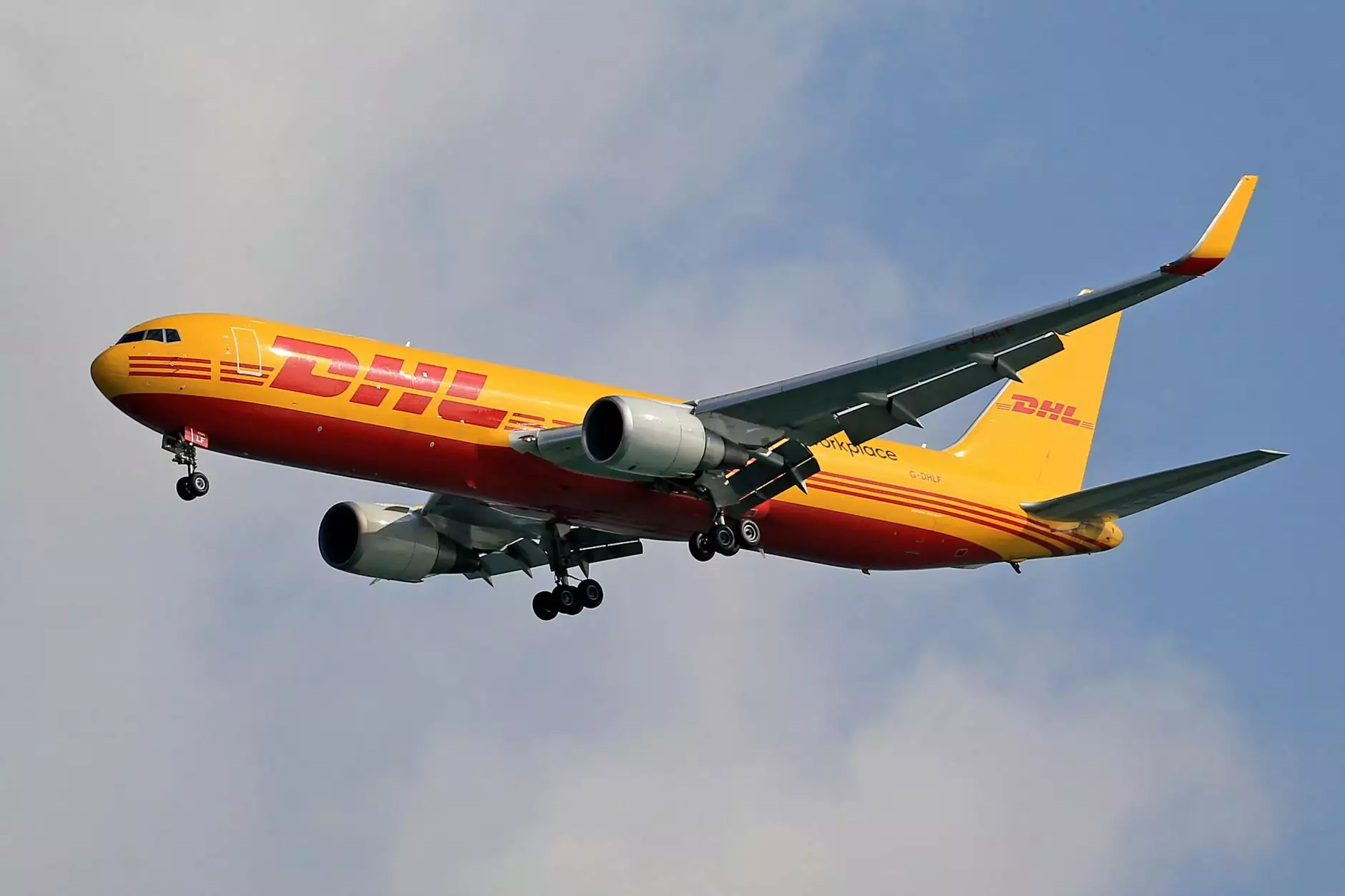
In the world of logistics and supply chain management, air freight rate is a term that frequently comes into play. Understanding these rates is crucial for businesses aiming to maximize efficiency and minimize costs. In this comprehensive guide, we will delve into the factors that influence air freight rates, the various pricing structures, and how businesses can effectively manage shipping through air freight. Whether you operate a small startup or a large multinational corporation, this information is invaluable.
What is Air Freight?
Air freight refers to the transport of goods by air. This method of shipping is often preferred for its speed and reliability, especially for international destinations. However, with speed comes a price, which is where understanding the air freight rate becomes essential.
The Importance of Air Freight Rates
For businesses engaged in global commerce, knowing the air freight rate allows for better planning and budgeting. This is important for several reasons:
- Cost Management: Businesses need to manage their logistics costs effectively. Knowing the rates helps streamline spending.
- Timely Delivery: Understanding air freight can enable companies to meet customer expectations regarding delivery times.
- Competitive Edge: Companies can refine their logistics strategy, improving overall competitiveness in their market.
Factors Affecting Air Freight Rates
Several factors can affect the air freight rate, and understanding them is key to optimizing costs:
1. Weight and Volume of Cargo
Air freight rates are typically calculated based on either the weight or the volume of the cargo—whichever is greater. This is termed as dimensional weight. For example, if you are shipping lightweight items that take up a lot of space, the volume will determine the cost.
2. Distance and Route
The distance between the origin and destination plays a significant role in determining rates. Longer distances usually incur higher costs. Additionally, specific routes may have set prices depending on demand and competition.
3. Type of Goods
Not all goods are treated equally in terms of air freight. For instance, perishable goods, hazardous materials, and high-value items may come with additional handling fees or special requirements.
4. Seasonal Demand
Air freight rates can vary throughout the year based on supply and demand. During peak shipping seasons, such as the holidays, prices generally increase due to higher demand for transport services.
5. Carrier Pricing Strategies
Different carriers may adopt differing pricing strategies based on their operational costs, fleet capabilities, and market positioning. Therefore, it's essential for businesses to compare quotes from various carriers when planning shipments.
Types of Air Freight Rates
Understanding the types of air freight rates is also crucial for effective logistics management:
1. General Cargo Rates
This is the standard rate applied to the majority of shipments that do not require special handling. These rates are often published and can be easily compared across different carriers.
2. Special Cargo Rates
Special cargo, such as items that are fragile or need refrigeration, may attract specific charges due to the additional handling they require.
3. Fuel Surcharge
Fuel surcharges are additional fees applied to mitigate the fluctuating costs of fuel. This can significantly impact overall air freight costs.
4. Insurance Charges
When shipping valuable items, businesses often choose to insure their cargo. Insurance rates will vary based on the value of the goods being transported.
How to Calculate Air Freight Rates
To calculate the air freight rate, follow these steps:
- Determine the dimensional weight of your shipment by using the formula: (Length x Width x Height) / Dimensional Weight Factor.
- Compare the dimensional weight to the actual weight of your goods. Use the greater of the two for your calculations.
- Consult carrier rates for the respective route to identify the base rate.
- Add any additional surcharges for fuel, packaging, or special handling as applicable.
Strategies for Managing Air Freight Costs
To optimize air freight costs, businesses can adopt the following strategies:
1. Consolidate Shipments
Combining smaller shipments into a single larger shipment can often help to reduce overall costs, as it maximizes the utilization of air cargo capacity.
2. Negotiate Rates
Building a strong relationship with carriers can lead to better negotiated rates. Businesses should not hesitate to discuss pricing with their service providers.
3. Utilize Technology
Engaging logistics management software can help improve visibility and help businesses track and manage their shipments efficiently, leading to cost savings.
4. Monitor Market Trends
Staying informed about trends within the air freight industry helps businesses anticipate changes in rates and adjust their logistics strategies accordingly.
Conclusion
In conclusion, understanding air freight rates is vital for any business engaged in international shipping. The factors influencing air freight rate, as well as the methods for calculating these rates, can significantly affect logistics strategies and overall operational efficiency. By implementing effective cost management strategies and leveraging technology, businesses can improve their shipping practices and remain competitive in the global market.
Further Resources
If you are keen to learn more about air freight rates and logistics strategies, consider the following resources:
- IATA Cargo Basics
- FAA Airports
- CargoBooking.aero